







Pasalo, or assume balance, is how a lot of Filipinos get into a condo below today’s price: you reimburse what the original buyer has paid, often at a discount, and continue the payments. It is legal. It is also where more buyers lose money than in any other kind of property deal we see, because almost every pasalo advertised online is structured by people who do not know, or do not care, what the law requires. This is what goes wrong, and what a licensed broker checks before a single peso moves.
First, what you are actually buying
In most pasalo deals there is no title yet. The seller holds a contract to sell with the developer and has paid part of the price. What transfers to you is not a unit but the seller’s rights under that contract, through a deed of assignment. If the unit is already titled and mortgaged to a bank, what transfers is the loan, and that is a novation: a substitution of debtor, which the Civil Code allows only with the creditor’s consent. In both cases a third party, the developer or the bank, has to agree in writing. A pasalo between two people on Facebook Messenger binds those two people and nobody else.
The seven ways it goes wrong
- No developer consent. You pay the seller, you pay the monthly instalments, and the developer’s records still show the seller. If the seller stops cooperating, the developer will deal only with the person on record. You cannot force the transfer, and you cannot get the title.
- No bank consent on a mortgaged unit. The loan stays in the seller’s name and the seller stays liable. If the seller defaults on anything else, or simply stops forwarding your payments, the bank can foreclose on the unit you live in. The Supreme Court has held for decades that an assumption of mortgage is valid against the lender only when the lender agrees.
- The balance is not what you were told. Penalties, unpaid dues, insurance and interest accrue on the seller’s account. Only the developer’s or bank’s official statement of account tells the truth; a seller’s spreadsheet or screenshot does not.
- Double sale. The same rights are assigned to two or three buyers. The one who paid the most reimbursement is usually the one who finds out last.
- Transfer fee shock. Developers charge a transfer fee for an assignment, and some require the assignee to requalify financially. Buyers who did not budget for it find the deal uneconomic after they have already paid the seller.
- Developer collapse before turnover. If the project stalls, your remedies depend on what you can prove you paid and to whom. Payments made to the seller in cash, with no acknowledgement from the developer, are the hardest to recover.
- The Maceda Law trap. Republic Act 6552 gives an instalment buyer who has paid at least two years the right to assign the contract, a grace period on default, and a refund of 50% of payments made (rising 5% a year after five years, up to 90%) if the contract is cancelled. Those rights belong to the buyer on record. If the assignment was never perfected, they are the seller’s rights, not yours.
What a licensed broker verifies, in order
| Check | Why it matters |
|---|---|
| Developer’s licence to sell and the project’s status | Confirms the unit legally exists and can be assigned |
| Official statement of account from the developer or bank | The real balance, penalties and dues |
| Written consent to the assignment and the transfer fee | Makes the developer or bank party to your deal |
| Identity, marital status and authority of the seller | A married seller needs the spouse’s signature; an overseas seller needs a notarised, apostilled special power of attorney |
| Foreign-share check if the buyer is a foreign national | A unit outside the 40% foreign allocation cannot be titled to you |
| Payment released only against the developer’s acknowledgement | Your reimbursement to the seller is the money most at risk |
| Capital gains, documentary stamp and transfer taxes computed in advance | Who pays what is negotiable; surprises are not |
Why “cheaper without a broker” is the most expensive option
A pasalo advertised at a PHP 300,000 discount with “no agent fee” and a PHP 1,500,000 reimbursement paid in cash to the seller is not a bargain. It is an unsecured loan to a stranger. The broker’s fee on a properly assigned unit is a fraction of that reimbursement, and it buys the developer’s consent, the statement of account, the deed, the tax computation and the release conditions. In the Philippines, unlicensed “agents” are now being prosecuted under the Real Estate Service Act, and buyers who used them have no recourse against anyone with a licence to lose.
Verified pasalo and assume-balance units
Only listings where the author or a verified source has described the deal as pasalo appear here. If nothing matches, tell us what you want and our broker searches owners and developers for you.
1 individually available listing(s) matched. No source supplies unit-level availability, so the available-unit count is unknown rather than zero.
Available properties
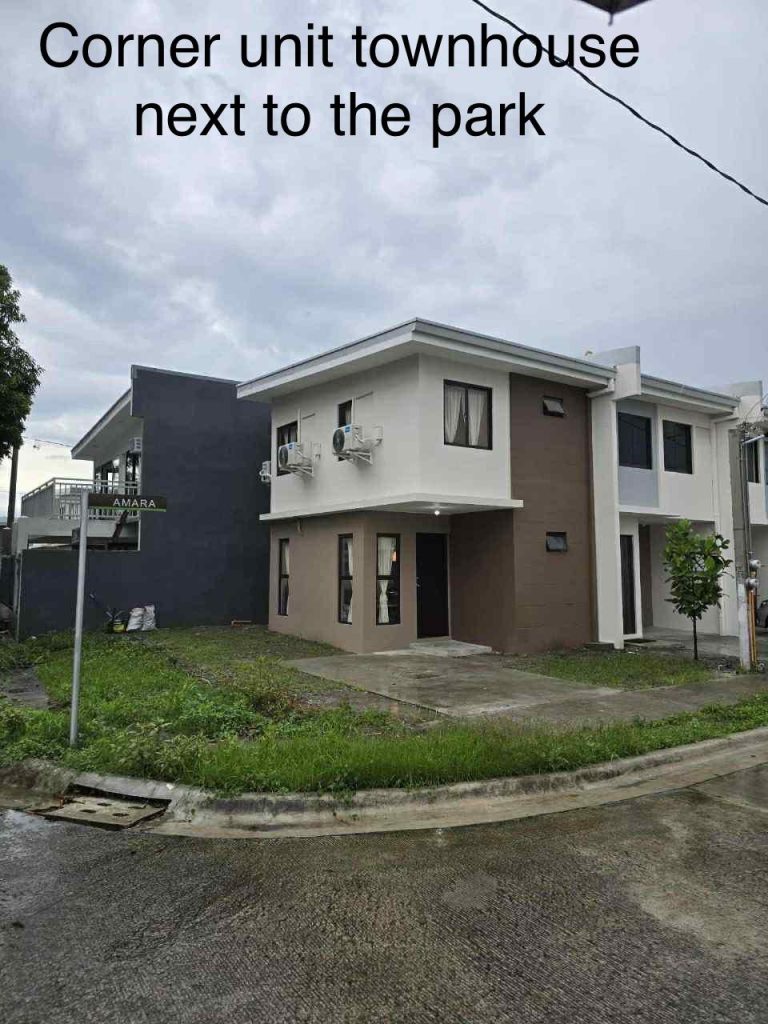
What properties are you looking for?
How much is your budget?
Where is your preferred location?
Can't find what you want?
We have properties that aren't shown here. Tell us your budget and we'll search for you.
Sources: Civil Code of the Philippines, articles 1291 and 1293 (novation); Republic Act 6552 (Maceda Law); Republic Act 9646 (Real Estate Service Act); Respicio & Co., “Legal Risks and Procedures for Pasalo Real Estate Transactions” and “Safety Considerations When Buying a Pasalo”; UPropertyPH, “Is Pasalo Legal in the Philippines?” Current as of October 2026.
Questions buyers ask
Is pasalo legal?
Yes. It is an assignment of the buyer's rights under a contract to sell, or an assumption of mortgage, and both require the developer's or bank's written consent to bind them.
What is the single biggest risk?
Paying the seller's reimbursement before the developer or bank has acknowledged the transfer. Until then the unit and the loan remain in the seller's name.
Do Maceda Law rights transfer to me?
Only if the assignment is perfected and you become the buyer on record. RA 6552 rights, including the refund on cancellation after two years of payments, belong to the buyer on record.
Why use a licensed broker for a pasalo?
Because the broker obtains the statement of account, the developer's consent, the deed of assignment, the tax computation and the release conditions, which is exactly what unlicensed deals skip.